شناسایی ابعاد منتورینگ نظاممند در جهت توسعه حرفهای اعضای هیأت علمی دانشگاه علوم پزشکی شهید بهشتی
DOI:
https://doi.org/10.61838/jsied.399کلمات کلیدی:
منتورینگ نظاممند, توسعه حرفهای, اعضای هیأت علمی, دانشگاه علوم پزشکی شهید بهشتیچکیده
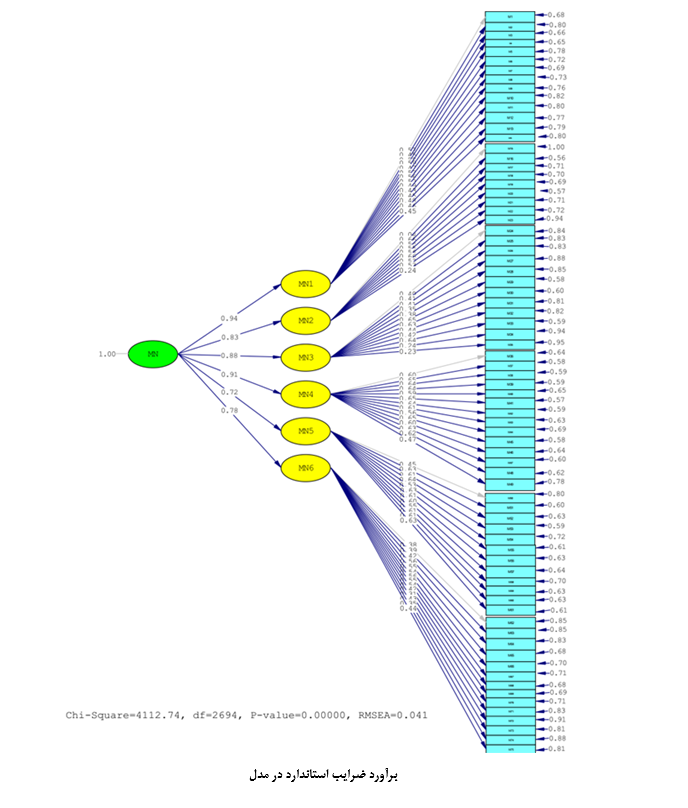
هدف این پژوهش شناسایی ابعاد، مؤلفهها و شاخصهای منتورینگ نظاممند در جهت توسعه حرفهای اعضای هیأت علمی دانشگاه علوم پزشکی شهید بهشتی است. این پژوهش با رویکرد آمیخته اکتشافی انجام شد. در بخش کیفی، با استفاده از نظریه دادهبنیاد، دادهها از طریق مصاحبههای نیمهساختاریافته با ۱۰ نفر از خبرگان شامل اعضای هیأت علمی با تجربه و مدیران آموزشی گردآوری و با کدگذاری باز، محوری و گزینشی تحلیل شد. در بخش کمی، جامعه آماری شامل ۱۵۳۰ عضو هیأت علمی بود که با استفاده از نمونهگیری تصادفی طبقهای، ۳۰۷ نفر انتخاب شدند. ابزار تحقیق شامل پرسشنامه محققساخته منتورینگ نظاممند (۷۵ گویه در ۶ بعد و ۱۲ مولفه) و پرسشنامه توسعه حرفهای نوا بود. روایی ابزارها با تحلیل عاملی تأییدی و پایایی با آلفای کرونباخ بالاتر از 0.7 تأیید شد. نتایج نشان داد منتورینگ نظاممند شامل شش بعد اصلی—ساختارمندی فرآیند، کیفیت اجرا، ساختار برنامه، عوامل مؤثر بر موفقیت یا شکست، روابط و مسئولیتهای دو سویه، و الزامات اجرایی—و دوازده مؤلفه کلیدی است. ضرایب استاندارد مدل از 0.72 تا 0.94 و آماره t برای تمامی ابعاد بزرگتر از 10 بود که بیانگر معناداری و برازش مطلوب مدل است. بعد «ساختارمندی فرآیند منتورینگ» بالاترین بار عاملی و بعد «روابط و مسئولیتهای دو سویه» پایینترین بار عاملی را داشت. نتایج نشان میدهد منتورینگ نظاممند با ایجاد ساختار مشخص، نظارت مستمر، روابط تعاملمحور و توجه به الزامات اجرایی، نقش مؤثری در توسعه حرفهای اعضای هیأت علمی دارد. این مدل میتواند مهارتها، عملکرد آموزشی، فعالیتهای پژوهشی، نوآوری و رضایت شغلی اعضای هیأت علمی را ارتقا دهد و زمینه بهبود کیفیت دانشگاه را فراهم سازد.
دانلودها
مراجع
Brown B, Pedersen M, Harrington J, Belcourt A, Windchief S, Thomas A, et al. Exploring personal, relational, and collective experiences and mentorship connections that enhance or inhibit professional development and career advancement of native American faculty in STEM fields: A qualitative study. Journal of Diversity in Higher Education. 2024;17(1):14. doi: 10.1037/dhe0000376.
Caruana V. Peer-Mentoring at the Intersection of Education for Sustainable Development and Visual Arts Education. Art, Sustainability and Learning Communities: Intellect; 2024. p. 101-12.
Winderbaum J, Coventry LL. The benefits, barriers and facilitators of mentoring programs for first‐year doctors: A systematic review. Medical Education. 2024;58(6):687-96. doi: 10.1111/medu.15299.
Topcu APK. Design, implementation, and evaluation of remote mentoring practices for technology integration in higher education. Kastamonu Education Journal. 2025;33(2):286-303. doi: 10.24106/kefdergi.1683452.
Gholipour A, Akbari M, Rajabpour E. Presenting a Mentoring Model and Analyzing Effective Factors in its Implementation. Human Resource Management Research Quarterly. 2022;14(2):125-54.
Safdari N, Gharouneh D. Identifying the Process of Employing Mentoring in the Professional Development of School Principals. Journal of Management in Educational Organizations. 2021;10(4):61-94. doi: 10.52547/meo.10.4.61.
Geletu GM. The effects of pedagogical mentoring and coaching on primary school teachers' professional development practices and students' learning engagements in classrooms in Oromia regional state: implications for professionalism. Education. 2024;3-13:1-17. doi: 10.1080/03004279.2024.2312971.
Eroshenkova EI, Isaev IF, Mikhaylova DI, Tarasova SI. Volunteering and mentoring as prosocial strategies for professional training of a future physical education teacher. Theory and Practice of Physical Culture. 2024(5):40-2.
Deng C, Turner N. Identifying key mentor characteristics for successful workplace mentoring relationships and programmes. Personnel Review. 2024;53(2):580-604. doi: 10.1108/PR-08-2022-0535.
Afsāyi A, Honari H, Sha'bānī Bahār G, Kashkar S. Designing a Mentoring Model on Social Media Platforms for Career Path Management of Physical Education Teachers in Education. Contemporary Research in Sports Management Quarterly. 2024;11(33):173-88.
Hosseini SZ, Ghoorchian N, Ja'fari P, Zamani Moqaddam A. Presenting a Mentoring System Model for Newly Employed Staff (Case Study: Headquarters of the Ministry of Science, Research, and Technology). Innovation Management in Defense Organizations Quarterly. 2020;3(4):151-78.
Kikhā A. Designing a Mentoring Model to Promote the Human Capital of Faculty Members in Medical Sciences Universities. Journal of the Center for Educational Research and Development in Medical Sciences, Yazd. 2020;15(4):244-59.
Gharouneh D, Sanā'īpour F. A Conceptual Model for Professional Development of Faculty Members to Enhance Quality in Engineering Education. Iranian Engineering Education Quarterly. 2020;22(87):113-36.
Moḥseni Sarbandī H, Āfarinesh Khākī A, Zargar T, Shahbāzī M, Āzādfadā S. Designing a Mentoring Model to Improve the Job Performance of Physical Education Teachers. Research in Physical Education and Sport Quarterly. 2024;11(33):173-88.
Golpayegani N, Zāmeni F, Yousefi Sa'eedābādī R. Presenting a Model Based on the Impact of Mentoring on Responsive Education in Medical Sciences Universities of Macro-Region One with a Fourth-Generation University Approach. Journal of Medicine and Tazkieh. 2020;29(2):117-27.
Yāsāval N, Pourshāfe'ī H, Mo'menī Maḥmū'ī H, Akbari A. Components and Indicators of Peer Mentoring for Teachers' Professional Development: A Systematic Review Based on Wright's Model. Human Resource Excellence Quarterly. 2024;4(3):44-66.
Najafī Nezhād S, Maqbulī N. The Effect of Mentor-Mentee Relationship Characteristics on Satisfaction with Mentoring: Investigating the Medical Student Mentoring Program at Tehran University of Medical Sciences. Journal of the Center for Educational Research and Development in Medical Sciences, Yazd. 2019;14(1):2-13.
دانلودها
گاهشمار انتشار
- ارسال
- بازنگری
- پذیرش
شماره
نوع مقاله
مجوز
حق نشر 2025 Mahdieh Shirazi (Author); Abdolrahim Navehebrahim (Corresponding author); Yusef Mohebzadegan, Javad Sadeqi Jafar (Author)

این پروژه تحت مجوز بین المللی Creative Commons Attribution-NonCommercial 4.0 می باشد.