اعتباریابی الگوی برنامه درسی تربیت اخلاقی و تربیت اجتماعی دوره اول متوسطه مدارس هرمزگان
DOI:
https://doi.org/10.61838/jsied.283کلمات کلیدی:
برنامه درسی, تربیت اخلاقی, تربیت اجتماعی, نظریه دادهبنیاد, مدلسازی معادلات ساختاری, آموزش متوسطه, استان هرمزگانچکیده
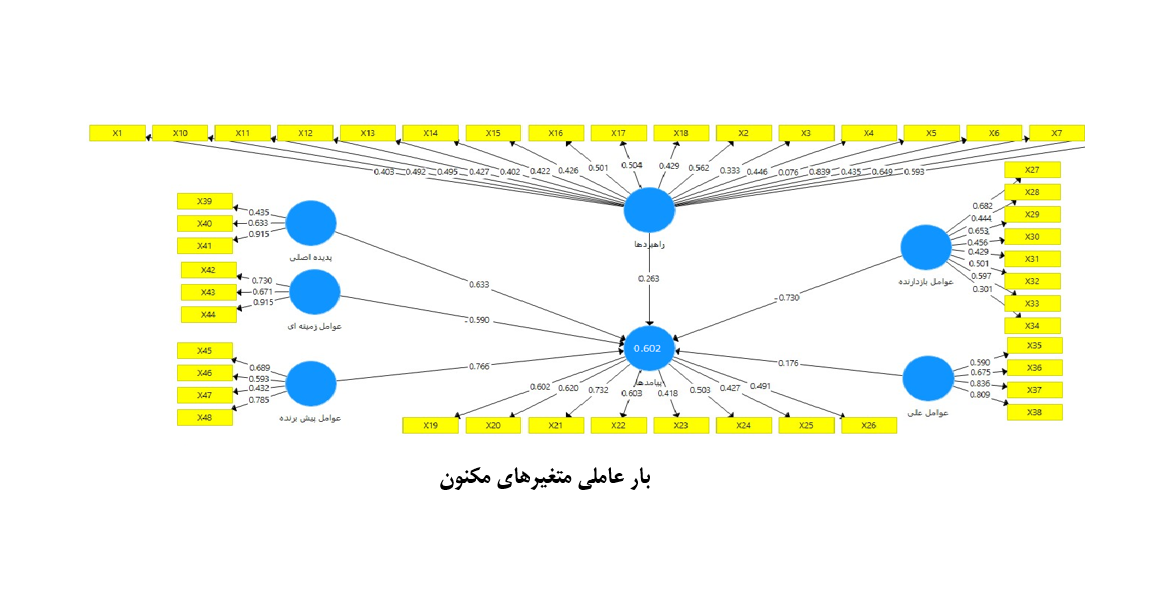
هدف پژوهش حاضر، طراحی و اعتباریابی الگوی برنامه درسی تربیت اخلاقی و تربیت اجتماعی برای دوره اول متوسطه مدارس استان هرمزگان بود. این پژوهش از نوع آمیخته (کیفی–کمی) است. در بخش کیفی با استفاده از نظریه دادهبنیاد، دادهها از طریق مصاحبه نیمهساختاریافته با ۳۰ نفر از متخصصان حوزه تربیت اخلاقی و اجتماعی و معلمان باتجربه گردآوری و در سه مرحله کدگذاری باز، محوری و انتخابی تحلیل شد. در بخش کمی، بهمنظور اعتبارسنجی مدل طراحیشده، پرسشنامه محققساخته بر روی نمونهای ۳۱۷ نفره از معلمان، مدیران و کارشناسان آموزش و پرورش توزیع گردید و دادهها با استفاده از مدلسازی معادلات ساختاری و نرمافزارهای SPSS و SMART PLS تجزیهوتحلیل شد. نتایج نشان داد که مدل طراحیشده از اعتبار روایی و پایایی مناسبی برخوردار است. شاخصهای آماری نظیر AVE، آلفای کرونباخ، پایایی مرکب، HTMT، Q²، f² و GOF همگی در دامنه مطلوب بودند. همچنین رابطه معناداری بین مؤلفههای مدل (از جمله راهبردها، عوامل زمینهای، پیشرانها و بازدارندهها) با پیامدهای تربیت اخلاقی و اجتماعی وجود دارد. الگوی ارائهشده با توجه به ویژگیهای فرهنگی، اجتماعی و آموزشی منطقه، الگویی بومی و قابل اتکا برای طراحی برنامه درسی تربیت اخلاقی و اجتماعی محسوب میشود که میتواند به عنوان راهنمایی کاربردی در سیاستگذاریها و برنامهریزی آموزشی مورد استفاده قرار گیرد.
دانلودها
مراجع
1. Aghili SR. Examining the governing principles of the desired moral education curriculum model in the Iranian elementary education system. Scientific-Research Quarterly of Teaching Research. 2020(108):17-34.
2. Malaki H, Alipour Moghaddam K. dentifying and Validating the Principles and Objectives of the Moral Education Curriculum Model. Bimonthly of Education Strategies in Medical Sciences. 2022;15(3):280-9.
3. Gandomkar D GA, Hashemi SA, Mashinchi A. Designing a Moral Education Curriculum Pattern for Secondary School on based on Grounded Theory. Curriculum Planning. 2019;16(61):34-47.
4. Cho S-H. Exploring Moral Education Directions for Emotional Competence as a Means of Anger Regulation. Korean Association for Learner-Centered Curriculum and Instruction. 2023;23(8):661-81. doi: 10.22251/jlcci.2023.23.8.661.
5. Özgünlü M, Erbil F, Göl-Güven M. Social and Emotional Learning (SEL): How It Finds a Place in an Early Childhood Education Curriculum in Turkey. Journal of Childhood Education & Society. 2022;3(2):139-50. doi: 10.37291/2717638x.202232180.
6. Douglas ES. Social Foundations of the Curriculum. Review of Educational Research. 2023;1(5):253-74.
7. Bafarani F, Mossadegh H, Rafiei M. Examining the role of the hidden curriculum in strengthening moral intelligence. Management of Educational Organizations. 2021;10(4).
8. Talebi Z, Mosadegh H, Mubaraki H. Determining the relationship between hidden curriculum and social responsibility of high school students. The Journal of Theory and Practice in Teachers Education. 2022;8(13):50-23.
9. Gholampour M, Pourshafei H, Farasatkhah M, Ayati M. Explaining the Elements of the Moral Education Curriculum According to the Raḍavi Tradition. Journal of Razavi Culture. 2021;9(33):179-201. doi: 10.22034/farzv.2021.129236.
10. Alwadai MAM, Alhaj AAM. Perspectives of High School Teachers on the Role of Values Education in the Curriculum: A Qualitative Study at Asir District, Saudi Arabia. Technium Social Sciences Journal. 2023;40:617-29. doi: 10.47577/tssj.v40i1.8486.
11. Aghili SR, Alamolhoda J, Fathi Vajarghah K. Designing a Curriculum Model for Moral Education in the Primary Educational System of Iran. 2018;6(4):1-23.
12. Tajri T. Ethics-Based Curriculum: Perpetuating the Maternal Role in Elementary Education. Curriculum Studies Research. 2021;1(11):77-104.
13. Hashemi R, Tabrizi S. Comparative analysis of citizenship education in Iranian and Turkish social studies curricula. Journal of Curriculum Studies. 2023;55(2):182-201.
14. Khandani AA, Imanzadeh A, Ranjdoust S. Development of an Optimal Model for Ecological Citizen Curriculum of Junior High School. The Journal of New Thoughts on Education. 2023;19(1):117-38. doi: 10.22051/jontoe.2021.37965.3431.
15. Metaji Nimvar A, Ahan C, Karami SO. In Search of Ethics and Social Responsibility: Evaluation of the Curriculum of the Human Resources Education and Development Discipline. Management and Planning in Educational Systems. 2023.
16. Bamkin S. The Taught Curriculum of Moral Education at Japanese Elementary School: The Role of Classtime in the Broad Curriculum. Contemporary Japan. 2020;32(2):218-39. doi: 10.1080/18692729.2020.1747780.
17. Khaleghi s, Ghaffari A, Hashemi t, Beyrami M, Taklavi S. Designing Citizenship Ethics Curriculum and its Effectiveness in the Improvement of Altruism and Prosocial Behaviors in Adolescents. Journal of Instruction and Evaluation. 2023;16(62):59-80. doi: 10.30495/jinev.2023.1979156.2830.
18. Zhang Q, Saharuddin N, Nor Azni Binti Abdul A. The Analysis of Teachers’ Perceptions of Moral Education Curriculum. Frontiers in Psychology. 2022;13. doi: 10.3389/fpsyg.2022.967927.
دانلودها
گاهشمار انتشار
- ارسال
- بازنگری
- پذیرش
شماره
نوع مقاله
مجوز
حق نشر 2025 Mohammad Almasi (Author); Mahnoosh Abedini (Corresponding author); Mohamadnoor Rahmani (Author)

این پروژه تحت مجوز بین المللی Creative Commons Attribution-NonCommercial 4.0 می باشد.