طراحی مدل رهبری دیجیتال برای مدیران منابع انسانی شرکتهای دانشبنیان و هایتک استان تهران با رویکرد آمیخته
کلمات کلیدی:
رهبری دیجیتال, رهبری, تحول دیجیتال, مدیریت منابع انسانی, شرکت های های تکچکیده
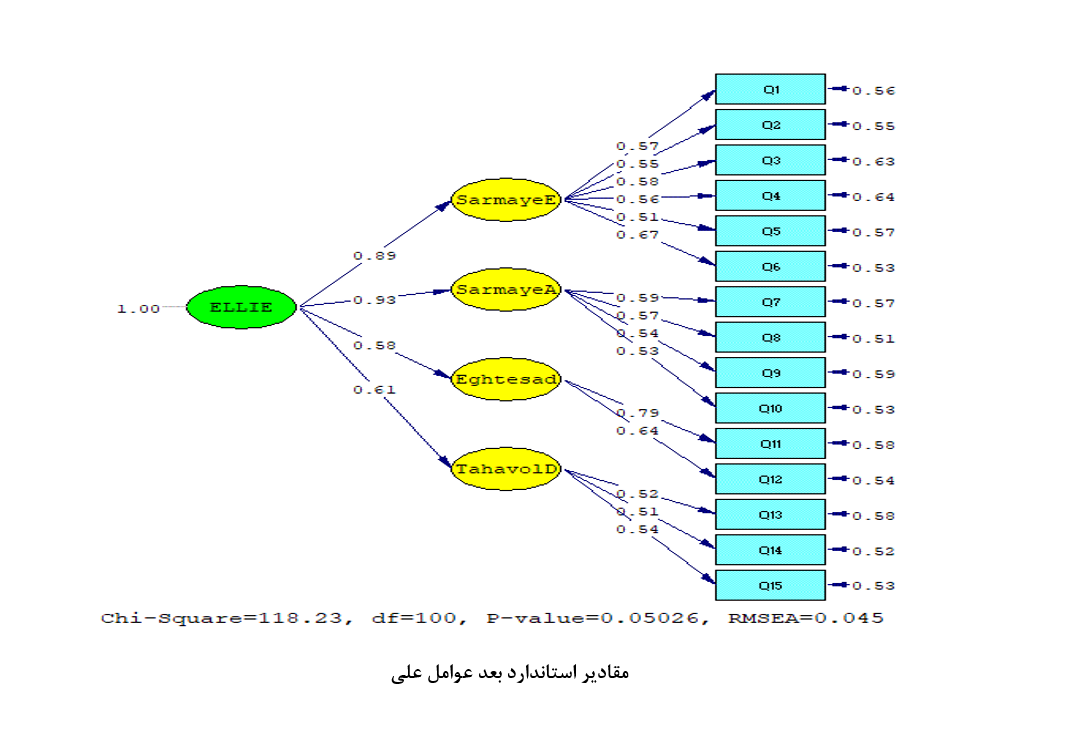
هدف پژوهش حاضر طراحی و اعتبارسنجی مدل رهبری دیجیتال برای مدیران منابع انسانی شرکتهای دانشبنیان و هایتک استان تهران بود. پژوهش از نظر هدف کاربردی و از نظر رویکرد، آمیخته اکتشافی کیفی–کمی بود. در بخش کیفی، از نظریه دادهبنیاد نظاممند استفاده شد و دادهها از طریق مصاحبههای نیمهساختاریافته با 12 نفر از استادان و خبرگان حوزه مدیریت و منابع انسانی که با نمونهگیری هدفمند نظری انتخاب شده بودند، تا دستیابی به اشباع نظری گردآوری شد. دادههای کیفی با کدگذاری باز، محوری و انتخابی تحلیل شدند. در بخش کمی، جامعه آماری شامل 612 نفر از مدیران منابع انسانی شرکتهای دانشبنیان و هایتک بود که 236 نفر با روش نمونهگیری تصادفی طبقهای انتخاب شدند. ابزار گردآوری دادهها پرسشنامه محققساخته برگرفته از یافتههای کیفی بود. روایی محتوا با نظر خبرگان و شاخص CVR و پایایی با آلفای کرونباخ بررسی شد. تحلیل عاملی تأییدی و مدلیابی معادلات ساختاری با نرمافزار LISREL انجام گرفت. نتایج تحلیل عاملی تأییدی نشان داد بارهای عاملی شاخصها در ابعاد مدل در سطح قابلقبولی قرار داشتند و مقادیر t مربوط به روابط مدل از 1.96 فراتر رفتند و در سطح 0.05 معنادار بودند. مدل نهایی مشتمل بر ابعاد عوامل علی، عوامل زمینهای، عوامل مداخلهگر، راهبردها و پیامدها مورد تأیید قرار گرفت. همچنین شاخصهای برازش مدل عمومی پژوهش نشاندهنده برازش مطلوب مدل با دادههای تجربی بود (χ²=475.09، df=247، χ²/df=1.923، RMSEA=0.057، CFI=0.97، IFI=0.95، RFI=0.96، GFI=0.91 و AGFI=0.90). مدل ارائهشده از اعتبار ساختاری و برازش مطلوبی برخوردار است و میتواند بهعنوان چارچوبی جامع برای شناخت، توسعه و ارزیابی رهبری دیجیتال مدیران منابع انسانی در شرکتهای دانشبنیان و هایتک مورد استفاده قرار گیرد و زمینه همسوسازی قابلیتهای منابع انسانی با الزامات تحول دیجیتال را فراهم سازد.
دانلودها
مراجع
1. Rahman FR, Purwati AA, Utari K. Digital leadership, artificial intelligence adoption, and strategic human resource capabilities: A dynamic capability perspective. Jurnal Metode Akuntansi Modern. 2026;7(1).
2. Kurniawan B, Marnis, Samsir S, Jahrizal J. A Conceptual Framework for Sustainable Human Resource Management: Integrating Green Practices, Ethical Leadership, and Digital Resilience to Advance the SDGs. Sustainability. 2025;17(21):9904. doi: 10.3390/su17219904.
3. Gheyratmand M, Jalali A. Identifying Leaders' Competencies in the Digital Transformation Environment. Human Resources Studies. 2024;14(2):56-81.
4. Gilli K, Nippa M, Knappstein M. Leadership competencies for digital transformation: An exploratory content analysis of job advertisements. German Journal of Human Resource Management. 2023;37(1):50-75. doi: 10.1177/23970022221087252.
5. Nasiri Mooseloo M, Tabarsa G. Proposing an Effective Leadership Model in Digital-Oriented Organizations Based on a Sustainability Approach. Sustainable Human Resource Management. 2025. doi: 10.22080/shrm.2025.5546.
6. Guo-min HE. Leadership Development Strategies of Human Resources in Digital Era. Journal of Human Resource Development. 2023;5(6). doi: 10.23977/jhrd.2023.050620.
7. Wang G, Mansor ZD, Leong YC. Linking digital leadership and employee digital performance in SMEs in China: The chain-mediating role of high-involvement human resource management practice and employee dynamic capability. Heliyon. 2024;10(16):e36026. doi: 10.1016/j.heliyon.2024.e36026.
8. Sirghani S, Taheri Lari M, Bahramzadeh HA. Designing a model of talent management in the parent company of thermal power. Journal of value creating in Business Management. 2023;3(3):229-45. doi: 10.22034/jvcbm.2023.408429.1150.
9. Seifi E, Ahmadi A, Moazzami M. Identifying the dimensions and components of the application of new technologies in the fourth generation university. Management and Educational Perspective. 2024;5(4):24-51. doi: 10.22034/jmep.2024.426783.1282.
10. Ahmadi-Khesal A, Vedadi A, Gholamzadeh D. Identifying the Components of Developing Transformational Digital Leadership Competencies in the Country's Banking System. Human Resource Education and Development Quarterly. 2023;11(42):103-27. doi: 10.66224/istd.45801.11.42.103.
11. Ahmadi Khesal A, Vedadi A, Gholamzadeh D. Identifying the Components of Developing Digital Transformation Leadership Competencies in the National Banking System. Journal of Human Resource Education and Development. 2024;42(25):103-27.
12. Rahmati-Kahrhroodi S, Shams-Morkani G, Shami Zanjani M, Abolghasemi M. Developing a framework for explaining digital leadership competencies using a meta-synthesis approach. Human Resource Management Research. 2021;43(13):942.
13. Molazahi M, Salajeghe S, Hasani Ahmadie S, Firozabadi A, Jalali Javaran R. Designing and Exercising the Power of LG Digital Leadership in the Education System of the Country (Case Study: Education of Sistan and Baluchestan Province). Strategic Management Researches. 2021;27(81):147-75.
14. Arasteh H, Naveh Ebrahim A, Abbasian H, Khabare K. Developing the policy model of digital university (qualitative approach). Journal of Management and Planning In Educational System. 2021;14(2):47-72. doi: 10.52547/mpes.14.2.47.
15. Aziz M, Doostar M, Akbari M, Yakideh K. A conceptual framework for digital transformation based on electronic leadership in higher education (a study in the Kurdistan region of Iraq). Human Resource Studies. 2024;14(3):88-117. doi: 10.22034/jhrs.2024.210046.
16. Mohammad Aziz A, Doustar M, Akbari M, Yakideh K. A Conceptual Framework for Digital Transformation Based on E-Leadership in the Higher Education System: A Study of the Kurdistan Region of Iraq. Human Resource Studies. 2024;14(3):88-117.
17. Arman M, Nematollahi H, Tangestani E, Mousavi SA. The Role of Digital Transformation and Entrepreneurial Leadership in Organizational Performance with the Mediating Role of Ambidextrous Learning: A Case Study of Small Businesses in Bushehr Province. Human Resource Excellence. 2023;4(1):87-113.
18. Jalali P, Salimi M, Ninavaei M, Irannejad P. Validation of a Digital Transformation Leadership Model in Education at Alborz University of Medical Sciences. Human Resources Excellence. 2024;5(2):78-102.
دانلودها
گاهشمار انتشار
- ارسال
- بازنگری
- پذیرش
شماره
نوع مقاله
مجوز
حق نشر 2026 Omid Reza Mahmoudi Nilou (Author); Mohammad Hassan Cheraghali (Corresponding author); Fariba Salahi, Seyedeh Sedigheh Jalalpour (Author)

این پروژه تحت مجوز بین المللی Creative Commons Attribution-NonCommercial 4.0 می باشد.