شناسایی پیامدهای بازیوارسازی آموزش در دوره پیشدبستانی
کلمات کلیدی:
بازیوارسازی آموزش, پیامدهای آموزشی, دوره پیشدبستانیچکیده
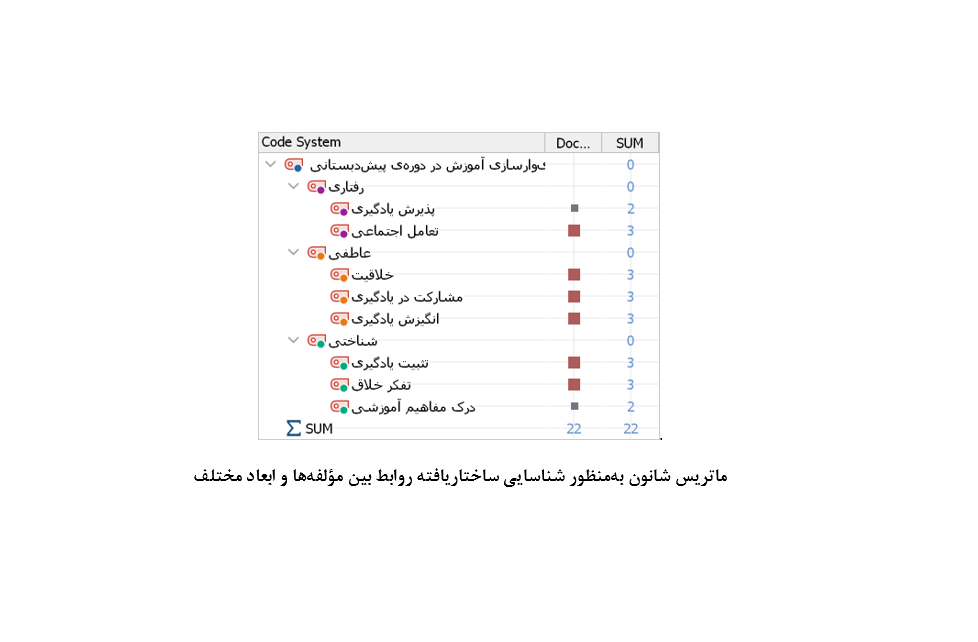
پژوهش حاضر با هدف شناسایی و اعتبارسنجی ابعاد، مؤلفهها و شاخصهای پیامدهای بازیوارسازی آموزش در دوره پیشدبستانی انجام شد. این پژوهش از نظر هدف کاربردی و از نظر رویکرد کیفی بود و در دو مرحله متوالی فراترکیب و تکنیک دلفی انجام شد. در مرحله نخست، مطالعات مرتبط منتشرشده در پایگاههای اطلاعاتی داخلی و خارجی با استفاده از چارچوب PRISMA شناسایی و غربالگری شدند و در نهایت 18 مطالعه واجد شرایط وارد فرایند فراترکیب شدند. دادههای حاصل با استفاده از تحلیل مضمون و نرمافزار MAXQDA Analytics Pro نسخه 2018 تحلیل شدند. در مرحله دوم، 19 نفر از خبرگان نظری و تجربی حوزه آموزش پیشدبستانی و بازیوارسازی آموزشی به روش نمونهگیری هدفمند انتخاب شدند و شاخصهای استخراجشده طی چهار دور دلفی مورد ارزیابی قرار گرفتند. دادههای کمی دلفی با استفاده از ضریب توافق کندال و نرمافزار SPSS تحلیل شدند. نتایج آزمون ضریب توافق کندال نشان داد که میزان توافق خبرگان در دور سوم دلفی معنادار بود (W=0.766, p=0.009) و این میزان در دور چهارم افزایش یافت و به سطح بالاتری از همگرایی رسید (W=0.811, p=0.002). معناداری آماری توافق خبرگان در هر دو دور و افزایش مقدار ضریب کندال در دور چهارم، ثبات و همگرایی مطلوب دیدگاههای خبرگان را درباره 22 شاخص نهایی تأیید کرد و بر این اساس فرایند دلفی پس از دور چهارم خاتمه یافت. یافتهها نشان میدهد که چارچوب نهایی پیامدهای بازیوارسازی آموزش در دوره پیشدبستانی از اعتبار کارشناسی و توافق مطلوب خبرگان برخوردار است و میتواند بهعنوان مبنایی برای طراحی، اجرا و ارزیابی فعالیتهای بازیوارشده متناسب با ویژگیهای رشدی کودکان و نیز هدایت پژوهشهای تجربی آینده مورد استفاده قرار گیرد.
دانلودها
مراجع
1. Mirshamsi H, Mohammadi Ahmadabadi N, Alizadeh Asli A. A Montessori-based model of a play-based curriculum in preschool education. Research and Innovation in Education and Development. 2024;4(1):262-82.
2. Sáez-López JM, Grimaldo-Santamaría RÓ, Quicios-García MP. Teaching the Use of Gamification in Elementary School: A Case in Spanish Formal Education. Tech Know Learn. 2023;29:557-81. doi: 10.1007/s10758-023-09656-8.
3. Sáez-López JM, Grimaldo-Santamaría RÓ, Quicios-García MP, Vázquez-Cano E. Teaching the use of gamification in elementary school: A case in Spanish formal education. Technology, Knowledge and Learning. 2024;29(1):557-81. doi: 10.1007/s10758-023-09656-8.
4. Siregar TAP, Siregar MI, Harahap IAZ. Gamification in Education: Leveraging the Bamboozle App for Effective Summative Assessments in Seventh-Grade of Junior. 2024.
5. Ryan RM, Deci EL. Intrinsic and extrinsic motivation from a self-determination theory perspective: Definitions, theory, practices, and future directions. Contemporary Educational Psychology. 2020;61:101860. doi: 10.1016/j.cedpsych.2020.101860.
6. Li L, Hew KF, Du J. Gamification enhances student intrinsic motivation, perceptions of autonomy and relatedness, but minimal impact on competency: A meta-analysis and systematic review. Educational Technology Research and Development. 2024;72:765-96. doi: 10.1007/s11423-023-10337-7.
7. Şahin M, Eren S. An investigation of pre-school and primary school teachers' views on gamification, intrinsic motivation, and learning in education. Kastamonu Education Journal. 2026;34(2):364-82. doi: 10.24106/kefdergi.1939386.
8. Badri Gargari R, Dehghanzadeh H, Habibi H, Arkani Z. The effectiveness of collaborative gamification on academic engagement and perceived enjoyment in mathematics education. 2026.
9. Chen J. A systematic review of using tablet games to promote early math learning in preschool settings: Effectiveness and influencing factors. Educational Technology Research and Development. 2026. doi: 10.1007/s11423-026-10626-x.
10. Xezonaki A. Gamification in preschool science education. Advances in Mobile Learning Educational Research. 2022;2(2):308-20. doi: 10.25082/AMLER.2022.02.001.
11. Nasimi M. Designing and evaluating a mathematics learning gamification model: Structural effects on performance, retention and cognitive interactions among upper primary school students. Modern Approaches in Islamic Studies. 2026(26):204-58.
12. Nili Ahmadabadi MR, Jafarkhani F, Asgari M, Nouri H. The effect of gamification on learning at the analysis level of Bloom’s taxonomy in Biology 3. New Educational Thoughts. 2025;21(2):167-78.
13. Tighbakhsh S, Mahmoudi M, Abbasi Bakhtiari R. Effects of face-to-face and digital gamification in mathematics education on academic achievement and creativity among primary school students in Isfahan. Information and Communication Technology in Educational Sciences. 2025;16(1):141-71.
14. Hamzehlou Z. The effect of creative games on social and problem-solving skills in preschool children in Urmia. Health and Education in Early Childhood. 2025;6(2):254-69.
15. Wijoyo A. Gamification in early childhood education: A novel adaptive learning framework for enhancing cognitive and social skills in kindergarten students. Journal of Games, Game Art, and Gamification. 2025;10(2):74-81. doi: 10.21512/jggag.v10i2.13198.
16. Zourmpakis AI. Adaptive gamification and game-based learning in preschool and early primary education: A systematic literature review. Computers. 2026;15(7):464. doi: 10.3390/computers15070464.
17. Banani S, Kaviani E, Mousavi F, Sabzianpour Z. Designing a gamification model for preschool education using a social constructivist approach. Applied Educational Leadership. 2024;5(4):167-85.
18. Rodríguez-Martín B, Fernández-Río J. Empowering Primary School Girls Through Gamification in Physical Education. Women in Sport and Physical Activity Journal. 2025;33(1). doi: 10.1123/wspaj.2025-0008.
19. Cebrián Cifuentes S, Cano Moya I, Cazorla Granado L, Guerrero Valverde E. Education for sustainability: The SDGs through gamification in early childhood education. Aula. 2023;30:73-86. doi: 10.14201/aula2024307386.
20. Hamraz V, Vatankhah M. Using gamification in the production of educational programs for children in audio media. Media and Culture. 2024;14(1).
21. Choi E, Park N. Demonstration of Gamification in Education for Understanding Artificial Intelligence Principles at Elementary School Level. Ilkogretim Online. 2021;20(3):709. doi: 10.17051/ilkonline.2021.03.74.
22. Xue J. Gamification Strategies in Primary-School Mental Health Education: Theory, Practice, and Optimization. Transactions on Social Science, Education and Humanities Research. 2026;16:9-17. doi: 10.62051/m318bj43.
23. Zeng J, Sun D, Looi CK, Fan ACW. Exploring the impact of gamification on students' academic performance: A comprehensive meta-analysis of studies from the year 2008 to 2023. British Journal of Educational Technology. 2024;55(6):2478-502. doi: 10.1111/bjet.13471.
24. Rahmani Barouji P, Khaleghkhah A, Haji J. Consequences of gamification-based education in Iranian schools: A meta-synthesis. Information and Communication Technology in Educational Sciences. 2025;16(1):83-105.
25. Bakhtiari M, Khodabakhsh R. Genre structure: Gamification of education and game-based skill training for technical and vocational education. Skill Training Quarterly. 2023(45):55-84.
دانلودها
گاهشمار انتشار
- ارسال
- بازنگری
- پذیرش
شماره
نوع مقاله
مجوز
حق نشر 2025 Marjan Gheidar (Author); Reza Sourani Yancheshmeh (Corresponding author); Babak Nasiri Ghareghani, HosseinAli Jahed (Author)

این پروژه تحت مجوز بین المللی Creative Commons Attribution-NonCommercial 4.0 می باشد.