مرور نظاممند مربیگری کارکنان نسل Z با تأکید بر الزامات بازیوارسازی
کلمات کلیدی:
مرور نظاممند, مربیگری سازمانی, بازیوارسازی, نسل Z, الزاماتچکیده
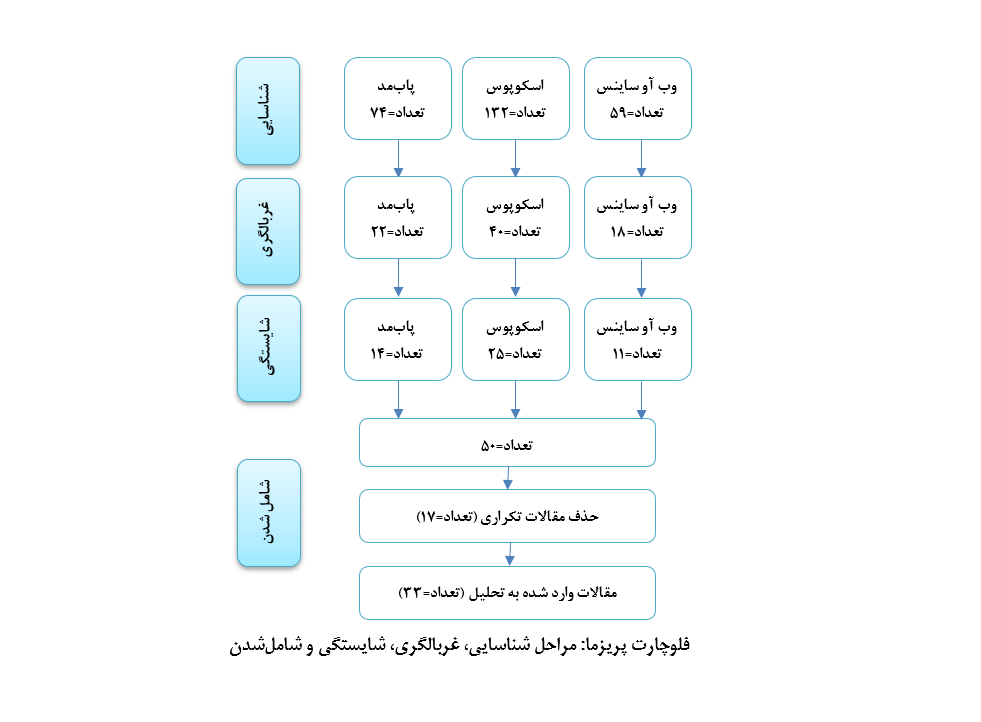
پژوهش حاضر با هدف شناسایی، تحلیل و دستهبندی الزامات بازیوارسازی در طراحی مدل مربیگری متناسب با ویژگیها، انتظارات و الگوهای یادگیری کارکنان نسل Z انجام شد. این پژوهش کاربردی با روش مرور نظاممند انجام شد. مقالات فارسی و انگلیسی مرتبط با مربیگری سازمانی، بازیوارسازی و نسل Z در پایگاههای اطلاعاتی اسکوپوس، وب آو ساینس و پابمد جستوجو شدند. بازه زمانی جستوجو برای منابع انگلیسی سالهای 2021 تا 2024 و برای منابع فارسی سالهای 1399 تا 1403 بود. در جستوجوی اولیه، 265 مقاله شناسایی شد. پس از حذف مقالات تکراری، بررسی عنوان و چکیده، ارزیابی متن کامل و سنجش کیفیت روششناختی با استفاده از چکلیست 12گویهای، 33 مقاله واجد شرایط وارد تحلیل نهایی شدند. دادههای مطالعات منتخب از طریق چکلیست استخراج و با روش تحلیل محتوای کیفی، کدگذاری و در مقولههای مفهومی سازماندهی شدند. برای افزایش اعتبار یافتهها از خودبازبینی پژوهشگر و بازبینی استاد راهنما استفاده شد. تحلیل مطالعات نشان داد الزامات بازیوارسازی در مربیگری کارکنان نسل Z در پنج مقوله اصلی قرار میگیرند: الزامات انگیزشی و پاداشدهی، الزامات فناورانه و دیجیتال، الزامات تعاملی و مشارکتی، الزامات محتوایی و یادگیری، و الزامات فرهنگی و سازمانی. الزامات انگیزشی و پاداشدهی با فراوانی 91 درصد، برجستهترین مقوله بود و مؤلفههایی مانند امتیازدهی، نشانها، پاداشهای ملموس و غیرملموس و پیشرفت مرحلهای را دربر گرفت. پس از آن، الزامات فناورانه و دیجیتال با 85 درصد، تعاملی و مشارکتی با 79 درصد، محتوایی و یادگیری با 73 درصد و فرهنگی و سازمانی با 67 درصد قرار داشتند. طراحی اثربخش مربیگری بازیوارشده برای نسل Z مستلزم تلفیق متوازن انگیزش، فناوری، تعامل، محتوای شخصیسازیشده و حمایت فرهنگی و سازمانی است. چارچوب استخراجشده میتواند مبنایی برای طراحی، اجرا و ارزیابی برنامههای مربیگری نوین و تقویت جذب، نگهداشت، یادگیری و عملکرد کارکنان نسل Z باشد.
دانلودها
مراجع
1. Wandhe DP. The new generation: Understanding Millennials and Gen Z. 2024.
2. Mazaheri Foroushani E, editor Challenges of designing a curriculum for Generation Z. Second International Conference on Sociology, Social Sciences, and Education with a Future-Oriented Approach; 2024; Bushehr.
3. Mantha MS, Krishna PV. A literature review of learning preferences, motivational factors and training needs among different generations of Baby Boomers, Gen X, Gen Y and Gen Z students and professionals. 2023.
4. Mahdavi T, Shojaei S, Damghani Mirmahaleh M, editors. Presenting a job embeddedness model with emphasis on Generation Z in Bank Melli Iran. Third International Conference and Sixth National Conference on Management, Psychology, and Behavioral Sciences; 2024; Tehran.
5. Pandita D, Agarwal Y, Vapiwala F. Fostering the sustainability of organizational learning: Reviewing the role of Gen-Z employees. Industrial and Commercial Training. 2023;55(3):375-87. doi: 10.1108/ICT-09-2022-0064.
6. Wang S. Workplace coaching: A meta-analysis and future research agenda. Journal of Organizational Behavior. 2023.
7. Alves J, Figueiredo PCN. The influence of coaching competences on the commitment and development of leaders in organizations. Navigating the Coaching and Leadership Landscape: Strategies and Insights for Success: IGI Global; 2024. p. 58-77.
8. Azar M, Karimi F, Nadi MA. Presenting an organizational coaching style model with a humanistic approach for managers of Islamic Azad University. Islamic Lifestyle Centered on Health. 2022;6(3):166-74.
9. Kashani P, Shaemi Barzaki A, Teymouri H. Designing and evaluating a workplace coaching model: A case study of Mobarakeh Steel Company, Isfahan. Public Management Research. 2023;16(60):135-62.
10. Rafti M, Mousakhani M, Zabihi MR, Ghorbani M. Designing an organizational coaching model in public organizations with an organizational soft productivity approach. Productivity Management. 2021;15(1):77-106.
11. Maddahi N, Zamani-Moghadam A, Jafari P. Presenting a model for developing coaching competencies of education managers in the 22 districts of Tehran Municipality. Human Resource Education and Development. 2022;9(35):214-40.
12. Gharloghi S, Khorasani A, Shams-Morkani G, Gholichli B. Identifying key success factors of coaching in organizations using a meta-synthesis approach: Presenting a model. Human Resource Education and Development. 2020;7(26):74-99.
13. Gavin J, Bernardi NF. Are certain types of coaching more beneficial within different organizational cultures? The coach's perspective. International Journal of Evidence Based Coaching and Mentoring. 2023;21(1):50-66.
14. Susanto PC, Simarmata J, Febrian WD, Sulistyowati A, Wahdiniawati SA, Suryawan RF. Analysis of coaching, organizational culture, and performance appraisal of employee productivity in high school: Literature review. Dinasti International Journal of Education Management and Social Science. 2023;5(2):83-91.
15. Latip SNNA, Tamrin M, Harun NA. Gamification in the workplace: A conceptual paper. International Journal of Academic Research in Business and Social Sciences. 2023;13(4):56-67. doi: 10.6007/IJARBSS/v13-i7/17401.
16. Pandey P, Menezes J, Pandey A. Gamification in HR practices: A pathway to sustainable transformation. Disruptive Artificial Intelligence and Sustainable Human Resource Management: River Publishers; 2023. p. 209-31.
17. Habib SED, Noureldin A, Aboueldahab M, AbouSheashaa A, Abaker MG, Fakhfakh A. The Power of Gamification in HRM: Exploring the Link Between Employee Resilience and Work Engagement in Saudi Arabia. JLSDGR. 2025;5(3):e05565. doi: 10.47172/2965-730x.sdgsreview.v5.n03.pe05565.
18. Liu H, Gao J. The Impact of Work Gamification on Chinese Employee Creativity: A Moderated Mediation Model. Frontiers in Psychology. 2025;16. doi: 10.3389/fpsyg.2025.1494789.
19. Dehghanzadeh H, Dehghanzadeh H. Examining the effects of gamification-based learning in English: A systematic review. Journal of English Language Teaching and Learning Studies. 2022;25(1):45-60.
20. Saleem A, Mirza B. Gamification in higher education: A literature review. Pakistan Social Sciences Review. 2024;8(1):188-95. doi: 10.35484/pssr.2024(8-I)17.
21. Ruiz-Navas S, Ackaradejraungsri P, Dijk S, editors. Are there literature reviews about gamification to foster inclusive teaching? A scoping review of gamification literature reviews. Frontiers in Education; 2024: Frontiers Media SA.
22. Zhu XY, Chiou SC. Explore the framework construction of gamification applied to basic design teaching. EcoDesign for Sustainable Products, Services and Social Systems I: Springer Nature Singapore; 2024. p. 45-58.
23. Fernando PA, Premadasa HS. Use of gamification and game-based learning in educating Generation Alpha: A systematic literature review. Educational Technology & Society. 2024;27(2):114-32.
24. Shafiei Sarvestani M, Mirani Sargazi N, Hafezi A, Jami M, Mirgol A. Explaining the Role of Gamification in Developing Creative Thinking Skills and Research Tendencies in Virtual Education among Medical Sciences Students in Yazd during the Post-Corona Period. Jundishapur Education Development Journal. 2025;16(1):26-38.
25. Caserman P, Baumgartner KA, Göbel S, Korn O. A best practice for gamification in large companies: An extensive study focusing inter-generational acceptance. Multimedia Tools and Applications. 2023:1-21. doi: 10.1007/s11042-023-16877-7.
26. Saxena M, Mishra DK. Gamification and Gen Z in higher education: A systematic review of literature. International Journal of Information and Communication Technology Education. 2021;17(4):1-22. doi: 10.4018/IJICTE.20211001.oa10.
27. Conlin RP, Santana S. Using gamification techniques to enable Generation Z's propensity to do good. Journal of Nonprofit & Public Sector Marketing. 2022;34(5):553-71. doi: 10.1080/10495142.2021.1941498.
28. Dangle N, Bagga S. Employee engagement through gamification in multigenerational workforce: A study on Gen X, Gen Y, and Gen Z in textile manufacturing sector. Journal of Namibian Studies: History Politics Culture. 2023;36:869-88.
29. Stylos N, Vassiliadis CA. Gamification design: Toward developing image perception scales for Generation Z consumers. International Journal of Contemporary Hospitality Management. 2023. doi: 10.1108/IJCHM-12-2022-1616.
30. Stylos N, Vassiliadis CA. Gamification Design: Toward Developing Image Perception Scales for Generation Z Consumers. International Journal of Contemporary Hospitality Management. 2025;37(5):1516-33. doi: 10.1108/IJCHM-12-2022-1616.
31. Wang K. The consumption values of Gen Z and Gen X for mobile banking services and the role of gamification to increase users' motivation and intention to facilitate the adoption of mobile apps. 2023.
32. Varghese J, Deepa R. Gamification as an effective employer branding strategy for Gen Z. NHRD Network Journal. 2023;16(3):269-79. doi: 10.1177/26314541231170438.
33. Tanner A, Preiksaitis M. Perspectives of learning and training practitioners on gamification. CORALS' Journal of Applied Research. 2023;1(1). doi: 10.58593/cjar.v1i1.12.
34. Pringle TA. A qualitative general descriptive study examining perceptions of the role of engagement tools in the training and transfer of knowledge among multiple generations in corporate training: Northcentral University; 2023.
35. Mohanty S. The gamified effect: A study of the role of gamification as a training method and the mediation influence of green organization culture in increasing organizational environmental citizenship. European Economic Letters. 2023;13(1s):241-56.
36. Perkins JE. Gamification: Athletic coaching vs. executive coaching. Navigating the Coaching and Leadership Landscape: Strategies and Insights for Success: IGI Global; 2024. p. 96-118.
37. Badiei F, Mehrani H, Didekhani H, Samiei R. Designing a gamification model for managing Generation Y customer experience. Consumer Behavior Studies. 2021;8(2):48-73.
دانلودها
گاهشمار انتشار
- ارسال
- بازنگری
- پذیرش
شماره
نوع مقاله
مجوز
حق نشر 2025 Mahshid Firoozbakht (Author); Azadeh Ashrafi (Corresponding author); Mansoureh Hajhosseini, Nader Sheikholeslami Kandelousi (Author)

این پروژه تحت مجوز بین المللی Creative Commons Attribution-NonCommercial 4.0 می باشد.