طراحی و اعتباریابی بسته آموزشی مهارت ذهنیسازی غنیشده با آموزههای اسلامی به شیوه فلسفه برای کودکان و نوجوانان
کلمات کلیدی:
طراحی و اعتباریابی, بسته آموزشی, ذهنیسازی, آموزههای اسلامی, فلسفهچکیده
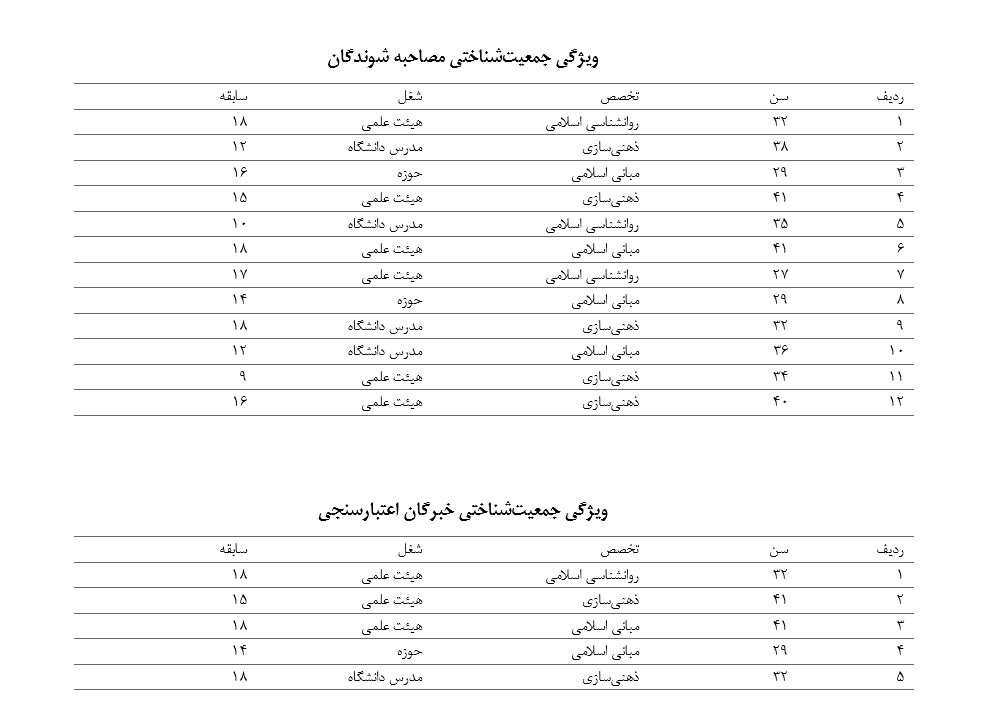
پژوهش حاضر با هدف طراحی و اعتباریابی بسته آموزشی مهارت ذهنیسازی غنیشده با آموزههای اسلامی به شیوه فلسفه برای کودکان و نوجوانان انجام شد. این پژوهش با رویکرد کیفی و با استفاده از روش پدیدارشناسی توصیفی کلایزی انجام شد. جامعه پژوهش شامل خبرگان حوزههای ذهنیسازی، روانشناسی اسلامی، مبانی اسلامی تربیت و فلسفه برای کودکان و نوجوانان بود که از میان آنان، ۱۲ نفر با روش نمونهگیری هدفمند برای مرحله طراحی و پنج متخصص مستقل برای مرحله اعتباریابی انتخاب شدند. دادهها از طریق مصاحبههای نیمهساختاریافته عمیق گردآوری، بهصورت کلمهبهکلمه پیادهسازی و در هفت مرحله کلایزی تحلیل شدند. پس از استخراج مضامین و تدوین چارچوب مفهومی، بسته آموزشی در قالب ۱۰ جلسه گروهی و مجموع ۹۰۰ دقیقه طراحی شد. روایی محتوایی بسته نیز با استفاده از نسبت روایی محتوایی و شاخص روایی محتوایی و بر اساس ارزیابی متخصصان بررسی شد. تحلیل دادههای کیفی به استخراج ۱۳۴ کد اولیه، ۳۰ خوشه فرعی و پنج مضمون اصلی شامل «خودآگاهی و معنای زندگی شخصی»، «تنظیم هیجان و خودمراقبتی»، «ذهنیسازی در روابط بینفردی»، «ذهنیسازی اخلاقی» و «هویت معنوی–اجتماعی و جهتگیری آینده» منجر شد. بر مبنای این مضامین، محتوای بسته آموزشی در قالب داستانهای محرک فلسفی، حلقههای گفتوگو، تمرینهای ذهنیسازی، آموزههای اخلاقی و معنوی اسلامی و تکالیف خانگی سازماندهی شد. ارزیابی متخصصان نشان داد تمامی ابعاد بسته، شامل تناسب محتوا با اهداف، ساختار و توالی جلسات، کفایت زمان، کفایت کلی و ارزیابی عمومی، از روایی مطلوب برخوردار بودند؛ بهطوریکه میانگین نسبت روایی محتوایی ۰٫۹۰ و میانگین شاخص روایی محتوایی ۰٫۹۵ به دست آمد. بسته آموزشی طراحیشده از انسجام مفهومی و روایی محتوایی مطلوبی برخوردار است و میتواند بهعنوان مداخلهای بومی، فرهنگمحور و نظریهمبنا برای تقویت خودآگاهی، تنظیم هیجان، روابط بینفردی، هویت اخلاقی و معنوی و جهتگیری آینده نوجوانان در برنامههای مدرسهمحور مورد استفاده قرار گیرد.
دانلودها
مراجع
1. Bromley K, Sacks DD, Boyes A, Driver C, Hermens DF. Health-Enhancing Behaviors in Early Adolescence: An Investigation of Nutrition, Sleep, Physical Activity, Mindfulness, and Social Connectedness and Their Association with Psychological Distress and Well-Being. Frontiers in Psychiatry. 2024;15:1413268. doi: 10.3389/fpsyt.2024.1413268.
2. Islam MI, Khanam R, Kabir E. Depression and Anxiety Have a Larger Impact on Bullied Girls than on Boys in Experiencing Self-Harm and Suicidality: A Mediation Analysis. Journal of Affective Disorders. 2022;297:250-8. doi: 10.1016/j.jad.2021.10.061.
3. Park W. Body Image Dissatisfaction and Self-Esteem among Korean Pre- and Early-Adolescent Girls and Boys: A Five-Year Longitudinal Panel Study. Human Ecology Research. 2020;58(2):163-76. doi: 10.6115/fer.2020.012.
4. Bastin M, Mezulis AH, Aldrich JT, Bosmans G, Nelis S, Raes F, et al. Problem Talk in Adolescence: Temperament and Attachment as Predictors of Co-Rumination Trajectories in Boys and Girls. Brain Sciences. 2021;11(9):1157. doi: 10.3390/brainsci11091157.
5. Vinter K, Aus K, Arro G. Adolescent Girls' and Boys' Academic Burnout and Its Associations with Cognitive Emotion Regulation Strategies. Educational Psychology. 2021;41(8):1061-77. doi: 10.1080/01443410.2020.1855631.
6. Luyten P, Campbell C, Allison E, Fonagy P. The Mentalizing Approach to Psychopathology: State of the Art and Future Directions. Annual Review of Clinical Psychology. 2020;16:297-325. doi: 10.1146/annurev-clinpsy-071919-015355.
7. Johnson BN, Kivity Y, Rosenstein LK, LeBreton JM, Levy KN. The Association between Mentalizing and Psychopathology: A Meta-Analysis of the Reading the Mind in the Eyes Task across Psychiatric Disorders. Clinical Psychology: Science and Practice. 2022;29(4):423-39. doi: 10.1037/cps0000105.
8. Hassanlou F, Zohraei S, Tavoli A. The Lived Experience of Adolescence with Emphasis on Mentalization Capacity: A Qualitative Phenomenological Study. Quarterly Journal of Applied Psychological Research. 2023;14(3):63-82.
9. Dimitrov N. Marginality as a Way to Gaining Identity: Mentalization-Based Treatment Approaches toward Minority Individuals. Annual of Sofia University St Kliment Ohridski, Faculty of Philosophy, Book of Psychology. 2024;114(1):223-37.
10. Chevalier V, Simard V, Achim J. Meta-Analyses of the Associations of Mentalization and Proxy Variables with Anxiety and Internalizing Problems. Journal of Anxiety Disorders. 2023;95:102694. doi: 10.1016/j.janxdis.2023.102694.
11. Santoro G, Costanzo A, Franceschini C, Lenzo V, Musetti A, Schimmenti A. Insecure Minds through the Looking Glass: The Mediating Role of Mentalization in the Relationships between Adult Attachment Styles and Problematic Social Media Use. International Journal of Environmental Research and Public Health. 2024;21(3):255. doi: 10.3390/ijerph21030255.
12. Ghaffari Cherati M, Mohammadipour M, Azizi A. The Effectiveness of Mentalization-Based Therapy on Emotion Regulation Difficulties and Aggression among Depressed Adolescent Girls. Quarterly Journal of Modern Psychological Research. 2023;18(71):169-78.
13. Nematpour Darzi A, Avar Z, Rahmati Touseh Kola F, Janalizadeh Chenari S. The Effectiveness of Mentalization-Based Therapy on Emotion Regulation Difficulties and Self-Control in Adolescents with High Aggression. Rooyesh-e-Ravanshenasi Journal. 2024;13(6):241-50.
14. Izadabadi B, Akbari B, Moghtader L. Validity of an Educational Package Based on Motivational Interviewing and Mentalization Approaches for Experiential Avoidance and Sense of Agency among Students with Childhood Trauma. Social Health. 2023;10(4):30-41.
15. Rousta P, Bahrainian A, Ahi G, Ghanifar MH. The Effect of Mentalization-Based Treatment on Object Relations and Emotional Expressiveness in Conflictual Mother-Child Relationships. Journal of Nursing and Midwifery. 2024;22(5):341-51.
16. Attaran N, Mozaffari M, Ghorban Jahromi R, Aminimanesh S. The Effectiveness of Positive Parenting Training and Mentalization-Based Parenting on Improving the Mother-Child Relationship. Journal of Psychological Science. 2024;23(143):59-78.
17. Valipour M, Khanjani Z, Hashemi T, Mahmoud Alilou M. Comparing the Effects of Modified Behavior Therapy, Parent-Child Interaction Therapy, and Mother-Child Mentalization-Based Treatment on Improving Oppositional Defiant Behavior in Preschool Children. Knowledge and Research in Applied Psychology. 2024;25(1):73-86.
18. Moradalipour A, Hosseini SM, Kakavandi K. The Effectiveness of Life Skills Training on Cognitive Emotion Regulation Strategies, Psychological Well-Being, and Social Adjustment among Female Lower-Secondary Students. Research in Teaching Methods. 2024;2(2):123-40.
19. Mashalchian MH, Saadipour E, Ebrahimi Ghavam S. The Effect of Anger Management Training on Social Adjustment, Resilience, and Assertiveness among Students. A New Approach to Children's Education. 2024;6(1):188-202.
20. Hemmatianzadeh M, Hashemi M, Majidi A. The Effectiveness of Acceptance and Commitment Therapy on Social Adjustment and Resilience among Adolescent Girls in Arak. Journal of Torbat Heydariyeh University of Medical Sciences. 2024;12(2):53-65.
21. Soroush Z, Habibzadeh A. The Effectiveness of Empathy Training on Self-Regulation and Social Adjustment. Studies in Islam and Psychology. 2024.
22. Pirhadi Tavandashti R, Arefi M, Sajadian E. The Effectiveness of Psychological Capital Training on Empathy and Meaning in Life among Students with Symptoms of Violence. Quarterly Journal of Applied Psychological Research. 2024;15(2):319-35.
23. Ebadati L, Ebadati N. Examining the Relationship between Gender Schema and Adolescents' Social Adjustment. Women and Society Quarterly. 2022;13(50):1-12.
24. Aghaei N, Shomali F, Zarei R. The Effectiveness of Play Therapy Training on the Social Identity of Preschool Children in District 4 of Shiraz. Educational Research. 2022;8(30):112-9.
25. Malekpour Shahraki B, Ahmadi R, Ghazanfari A. Designing a Life Skills Educational Package for Children and Determining Its Effectiveness on Elementary Students' Social Skills. Quarterly Journal of Modern Psychological Research. 2023;18(72):257-65.
26. Dawson KJ, Han H, Choi YR. How Are Moral Foundations Associated with Empathic Traits and Moral Identity? Current Psychology. 2023;42(13):10836-48. doi: 10.1007/s12144-021-02372-5.
27. Hosseini Tabatabaei F, Amiri S, Nadi MA. A Structural Model of the Effects of Perceived Parenting Style, Personality, Moral Reasoning, and Personal Identity on Moral Identity. Behavioral Sciences Research. 2023;21(2):377-89.
28. Hosseini Tabatabaei F, Amiri S, Nadi MA. The Effectiveness of Real-Life Moral Dilemma Training on Adolescents' Moral Identity: Emphasis on Gender Differences. Developmental Psychology. 2021;17(68):351-64.
29. Rahman AA. Moral Identity and Electronic Aggression on Instagram Users: Self-Control as a Moderating Variable. Indigenous: Jurnal Ilmiah Psikologi. 2023;8(1):1-8. doi: 10.23917/indigenous.v8i1.19831.
30. Shahmohammadi N. Examining the Effectiveness of Philosophy for Children Education on Critical Thinking among Sixth-Grade Students. Thinking and Children. 2020;11(1):95-116.
31. Farmahini Farahani F. Examining Methods of Teaching Philosophy to Adolescents. Research in Teaching and Learning. 2023;20(2):92-107.
32. Mollaebrahimlou E, Vahedi S, Imanzadeh A, Badri R. The Effectiveness of a Philosophy for Children Program on Moral Identity among Girls in Interaction with Emotional Self-Regulation. Research in Teaching Methods. 2024;2(4):46-60.
33. Bagheri Varkaneh MT, Bagheri Varkaneh S, Vafaeian MH. Rational Reflection as a Fundamental Factor in Islamic Education: A Preventive Approach during Adolescence. Research in Child and Adolescent Counseling. 2023;1(1).
34. Muhyan A, Rizal SS, Sulaeman T, Darifah UH. Character Education's Role in Islamic Education and Its Impact on Social Affairs. Educational Review: International Journal. 2023;20(2):67-78.
35. Pane RM, Ahman A, Nurihasan J. The Effectiveness of Embedding Islamic Education on the View of the Meaning of Adolescents' Life in the Orphanage Environment in Padang Sidimpuan. Edukasi Islami: Jurnal Pendidikan Islam. 2023;12(2).
36. Imanian H, Nouri N. Developing a Meaning-in-Life Educational Package for Adolescents Based on Islamic Teachings and Evaluating Its Effectiveness. Islamic Psychology Research. 2021;4(1):49-68.
37. Asgari G, Etemadinia M, Farshbaf Manisefat F. The Effectiveness of Group Islamic Spiritual Mindfulness on Compassion Fatigue, Empathy, and Optimism among Nurses. Shenakht Journal of Psychology and Psychiatry. 2024;11(4):95-107.
38. Porzour P. Developing an Integrative Psychotherapy Model Based on Religious-Psychological Teachings with an Islamic Approach and Evaluating Its Effectiveness in Reducing Adolescents' Tendency toward High-Risk Behaviors. Quarterly Journal of Addiction Research. 2021;15(60):97-116.
39. Alqifari S, Amellia RA, Septiany FA, Merida SC. Mental Health Psychoeducation: An Effort to Increase Mental Health Literacy in Adolescence. Developmental and Clinical Psychology. 2024;5(2):125-37. doi: 10.15294/dcp.v5i2.17098.
40. Eslami Ardakani SH. Pioneers of Phenomenology. Ayeneh-ye Pazhoohesh. 2022;33(193):231-48.
دانلودها
گاهشمار انتشار
- ارسال
- بازنگری
- پذیرش
شماره
نوع مقاله
مجوز
حق نشر 2025 Zeinab AzimpoorArdakan (Author); Mohammad Hossein Fallah (Corresponding author); Marieh Dehghan Manshadi, Mansoor Dehghan Manshadi (Author)

این پروژه تحت مجوز بین المللی Creative Commons Attribution-NonCommercial 4.0 می باشد.